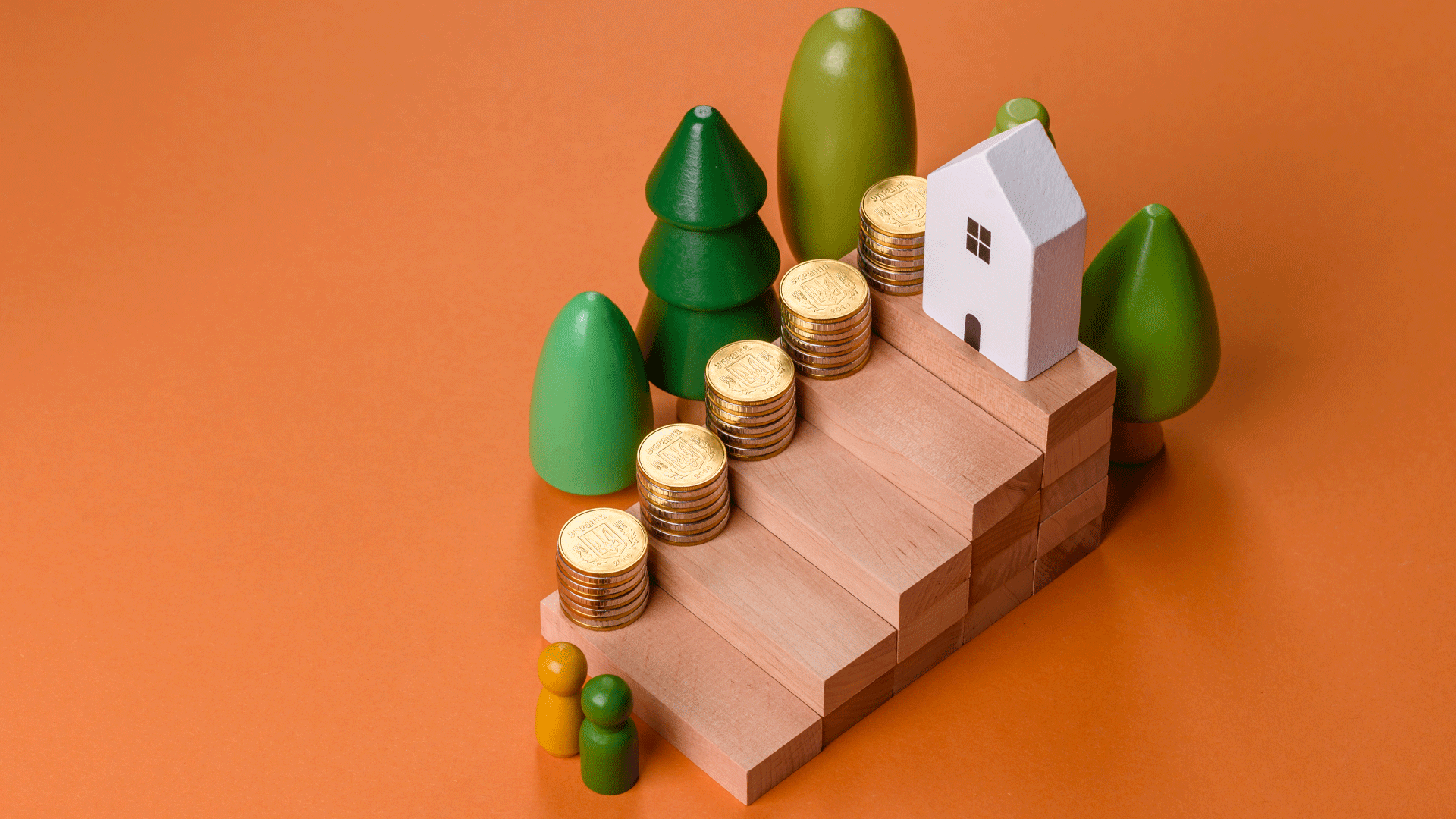

For many people buying a property, the minimum deposit is 5% of the purchase price. The amount you’ll actually need depends on your circumstances, the property you’re buying and the mortgage lender’s criteria.
While some buyers can purchase with a 5% deposit, others may need more.
Your credit history, income, the type of property and the mortgage you’re applying for can all influence the minimum deposit a lender is willing to accept.
Why Do Mortgage Lenders Ask for a Deposit?
A deposit reduces the amount you need to borrow and gives the lender a financial stake in the purchase alongside you.
The size of your deposit affects your loan-to-value (LTV), which is the percentage of the property’s value you’re borrowing. Generally speaking, the larger your deposit, the lower your LTV.
A lower LTV can give you access to a wider range of mortgage products and, in many cases, more competitive interest rates.
Is a 5% Deposit Enough?
For many buyers, yes.
Some lenders offer mortgages from a 5% deposit, although you’ll still need to meet their affordability and lending criteria. They’ll look at your income, outgoings, employment, credit history and the property itself before deciding whether to lend.
For many first time buyers in Grimsby, reaching a 5% deposit is enough to begin looking at mortgage options, though saving a larger deposit may give you access to more products.
Does a Bigger Deposit Help?
A larger deposit often improves your options.
Borrowing a smaller percentage of the property’s value reduces the lender’s risk, which can sometimes mean lower interest rates and a wider choice of mortgage products.
It also reduces the amount you need to borrow, which may make your monthly mortgage payments more affordable.
How Much Deposit Do I Need if I Have Bad Credit?
If you’ve experienced credit problems in the past, some lenders may ask for a larger deposit.
How much depends on the type of credit issue, how long ago it happened and how you’ve managed your finances since then. Some lenders may still consider applicants with a 5% deposit, while others may require 10%, 15% or more.
Every lender has different criteria, which is why bad credit mortgages are assessed on a case-by-case basis.
Can I Use a Gifted Deposit?
Yes. Many lenders accept gifted deposits.
A gifted deposit is money given to you, usually by a close family member, to help you buy a property. The lender will normally ask the person providing the money to confirm it’s a genuine gift and won’t need to be repaid.
Gifted deposits are particularly common amongst first time buyers in Grimsby and can help make buying a home more achievable.
Can I Borrow My Deposit?
In most cases, lenders prefer your deposit to come from savings or an acceptable gift.
Using a personal loan as a deposit is less common and many lenders won’t accept it, as it increases your existing financial commitments.
If borrowing forms part of your deposit, it will usually be included in the affordability assessment when the lender calculates what you can borrow.
How Much Deposit Do I Need for a Buy to Let Mortgage?
Buy to let mortgages work differently from residential mortgages and usually require a much larger deposit.
Many lenders ask for at least 25%, although the exact amount varies depending on the property, the expected rental income and your experience as a landlord.
Some lenders may accept a smaller deposit, while others require considerably more, so it’s important to look at the available options before applying.
Are There Government Schemes That Can Help?
The government won’t provide your mortgage deposit, though there are schemes that may help eligible buyers purchase a home with a smaller deposit or build one more quickly.
Depending on your circumstances, options such as the Lifetime ISA, Mortgage Guarantee Scheme, Shared Ownership and the First Homes Scheme could be worth exploring.
As schemes can change over time, it’s always worth checking the latest eligibility requirements before applying.
Can You Get a Mortgage Without a Deposit?
While most mortgages still require a deposit, no-deposit mortgages have become more common in recent years, with some lenders introducing 100% mortgage products for borrowers who meet specific criteria.
These mortgages aren’t available to everyone and often come with strict eligibility requirements.
Factors such as your income, employment, credit history and the type of property you’re buying can all influence whether you qualify.
If you’re interested in a 100% mortgage or another low-deposit option, speaking with a mortgage broker in Grimsby can help you understand what’s currently available and whether you meet the criteria for these more specialist products.
Ready to Take the Next Step?
Saving for a deposit is often one of the biggest milestones when buying a property, though it’s only one part of the mortgage process.
If you’re planning to buy a home, our mortgage advisors in Grimsby can explain how much deposit you may need, what lenders are currently looking for and which mortgage options could be available based on your circumstances.
Date Last Edited: July 21, 2026